Water Coming Up the Basement Floor Drain When It Rains? Sewer Surcharge Explained
Water coming up the floor drain in your basement when it rains is usually sewer surcharge. Learn why it happens, how to tell, and who to call in Peel Region.
By WDR Mississauga 9 min read
Water coming up the floor drain in a basement when it rains is usually sewer surcharge. The sewer pipe under the street has filled with more water than it can carry, so the level rises back up the pipe from your house and spills out at the lowest opening, which is almost always the basement floor drain.
It is not usually a sign that something is wrong with your drain itself. It means the system downstream is full. That difference matters, because the fix for a full public sewer is not the same as the fix for a blocked pipe on your property. This post explains what is happening, how to tell which problem you have, and what to do while it is happening. For the wider picture of storm flooding across the city, see why Mississauga basements flood in summer storms.
Why water is coming up your basement floor drain
In most Mississauga homes, the basement floor drain connects to the same pipe as your toilets, sinks, shower and washing machine. That pipe runs under the floor and out to the street, where it joins the Region of Peel’s sanitary sewer main. The section from the house to the main is called the lateral.
The drain has a trap below the grate, a U-shaped bend that holds water to block sewer gas. It is meant to take small amounts of water away, such as a leak from the water heater or the laundry tub. It is not a one-way door.
Water in a pipe system settles to the same level everywhere it can reach. When the main under the street is running normally, the water level sits far below your basement floor. When the main fills, the level climbs up your lateral. Once it is higher than the floor drain, water comes out of the drain. The floor drain is usually the lowest open fixture in the house, so it overflows first.
Why rain ends up in a sewage pipe
Mississauga has separate sewers: storm sewers for rain and sanitary sewers for wastewater. So why does a rainstorm fill the sanitary pipe? Because rain finds its way in. Engineers call this inflow and infiltration, and it is general practice in the sewer industry to treat it as the main cause of wet-weather backups in separated systems.
Common ways rain gets into a sanitary sewer:
- Downspouts that drain underground. The Region of Peel says a connected downspout may be draining into the sanitary sewer, and that heavy rain can then overload the system and raise the risk of basement flooding. The Region runs a free program to disconnect downspouts that drain into the sanitary system.
- Older foundation drains. Some older homes have weeping tile tied into the sanitary lateral instead of a sump pit, so groundwater around the house goes straight into the sewer.
- Cracked pipes and joints. Saturated soil pushes water into small cracks in laterals and mains, on private and public land alike.
- Lifted maintenance hole covers and low spots. Street flooding can pour into the system from above.
One home’s downspouts do not cause a surcharge. Hundreds of them across a neighbourhood, plus every cracked joint in saturated ground, can add far more water than the pipe was sized to carry in a heavy storm. The Region notes that extreme rainfall can push the sanitary system past its capacity.
In Lisgar and most of Churchill Meadows, there is a third pipe. Weeping tile drains to a foundation drain collector, separate from both the sanitary and storm sewers. When that collector fills, water can push back toward foundations and floor drains. City projects in Ward 10 add pumping stations to draw that collector down in storms.
Surcharge or a blocked lateral?
The same symptom can have different causes. Use the pattern to narrow it down before you call anyone.
| What you notice | Most likely cause | Who to call |
|---|---|---|
| Water rises during or just after heavy rain, then drains away when the rain stops | Sewer surcharge in the public main | Region of Peel, 905-791-7800 |
| Neighbours on the street report the same thing | Sewer surcharge | Region of Peel, and 311 for street flooding |
| Water comes up in dry weather, often when the washer drains or a toilet flushes | Blockage in your own lateral, such as roots or grease | Licensed plumber for a camera inspection |
| Clear water seeping up through cracks or along the wall joint | Groundwater and full weeping tile | Plumber or drainage contractor; check the sump |
| Gurgling drains and slow toilets for weeks before the flood | Partial blockage that a storm finished off | Plumber, then the Region if the pipe looks clear on your side |
The Region of Peel says most sewer backups happen when roots or grease block the pipe from the home to the main, and that the pipe from your home to the property line is the owner’s responsibility. If the problem shows up in dry weather, start there. If it only happens when it rains hard, and the water goes down when the storm passes, surcharge is the stronger suspect. It can also be both: a partly blocked lateral overflows sooner when the main is full.
Treat the water as sewage
If your floor drain is connected to the sanitary sewer, the water coming out of it has been through a pipe that carries toilet waste. Even when it looks fairly clear, assume it carries bacteria and viruses.
Health Canada warns that there is a real danger of infection from breathing the air in a sewage-contaminated area and from handling contaminated water and materials. It says children, pregnant people and anyone with breathing problems should never handle them. Keep pets out too.
Electricity is the other immediate risk. Do not walk into standing water if it could reach outlets, extension cords, a furnace, a water heater or the electrical panel. Never touch the panel while standing in water. If water is near electrical equipment, leave the basement and call your utility. In Mississauga, the City has directed residents to Alectra at 1-833-253-2872 when water reaches outlets, baseboards or the furnace.
What to do while it is happening
If water is coming up your floor drain right now, work through these steps in order:
- Get people and pets out of the basement and keep them out.
- Stop using water in the whole house. No flushing, showers, laundry or dishwasher. Anything you send down the drain can come back out of the floor drain.
- Do not open a cleanout or remove the floor drain grate to “let it drain.” With a full sewer, that only gives water another way in.
- Report it to the Region of Peel at 905-791-7800. Write down the service request number. Report street flooding and blocked catch basins to the City at 311.
- Take photos and video of where the water is coming from, how high it reached, and what it touched, before anything is moved.
- Call your insurer and ask whether you have sewer backup coverage, which is separate from a standard home policy.
- Wait until the water drains back down before anyone goes in. Wear rubber boots, waterproof gloves and eye protection if you have to enter at all.
What does not work, and why
Bleach on porous materials. Bleach can disinfect a hard surface, but it does not clean carpet, underpad, drywall or insulation that has soaked up sewage. Those materials need to be removed. Mixing bleach with other cleaners can also release toxic gas.
Running a shop vacuum without protection. A household wet vacuum can spray contaminated water and its exhaust can carry fine droplets into the air. If you must remove a small amount from bare concrete, wear gloves, boots and eye protection and keep the area ventilated.
Pouring drain cleaner down the floor drain. A surcharge is not a clog. Chemicals will not move a full sewer, and they make the water more dangerous to handle.
Counting on the sump pump. A sump pump removes groundwater from the pit. It never sees water coming up from the sanitary sewer, so it cannot stop this kind of flood.
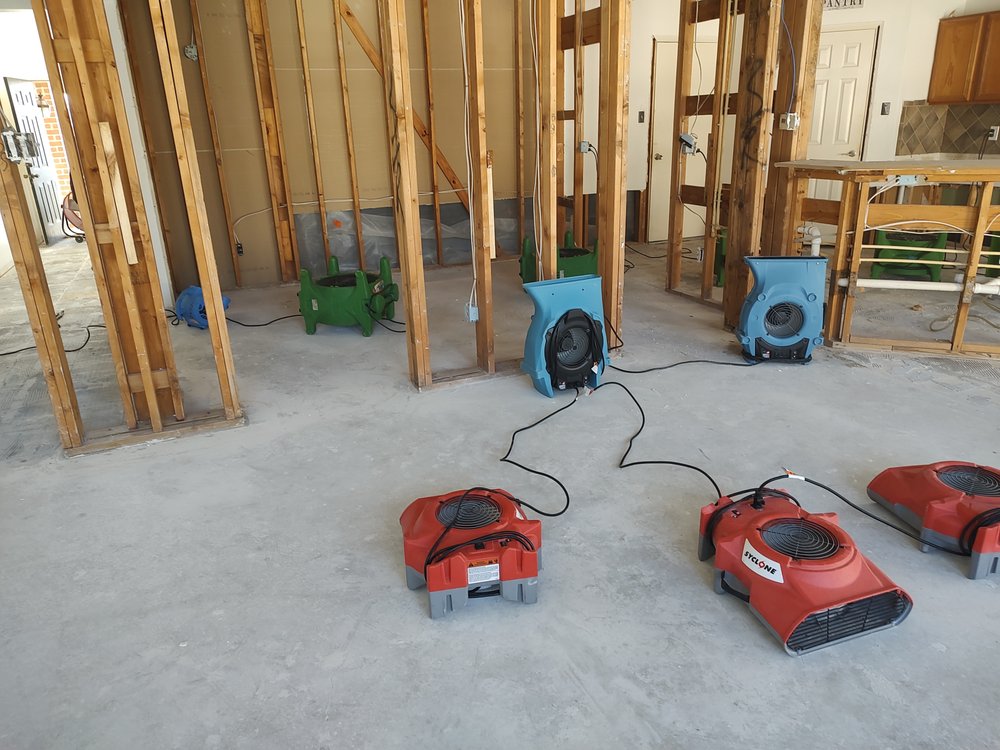
Drying it with household fans. Fans move air across surfaces. They do not dry the inside of walls, and with sewage they spread odour and contamination. Materials that sewage reached are removed, not dried in place.
Fixes that stop it from happening again
Once the basement is cleaned and dry, these measures target surcharge directly:
- A sanitary backwater valve. Fitted on the lateral, it lets wastewater out and closes when sewage tries to flow back in. It needs a licensed plumber and a building permit. While the valve is closed during a storm, avoid using any plumbing, because water from upstairs has nowhere to go. The Region of Peel offers a rebate of 60% of the invoice up to $1,500 including tax for eligible valves installed after July 16, 2024. See our guide to the Peel backwater valve rebate for eligibility, and confirm current terms with the Region.
- Downspout disconnection. Redirecting downspouts onto the lawn, away from the foundation, keeps your roof water out of the sanitary pipe. The Region disconnects downspouts that drain into the sanitary system at no cost to owners in eligible areas.
- A camera inspection of the lateral. A plumber can show you roots, cracks or sags in your own pipe, which are your responsibility to fix.
- Separating old foundation drains. If your weeping tile drains to the sanitary lateral, a plumber can redirect it to a sump pit. The City’s Basement Flooding Prevention Rebate covers some of this work for eligible homes, with pre-approval first.
None of these makes a basement flood-proof, and rebates are never guaranteed. Together they remove the most common path for storm water to reach your basement through the floor.
When to call for help
A teaspoon of clear water around the grate after a storm is a warning to act on before next season. Sewage across a finished floor is a different situation. If the water has reached carpet, drywall, insulation or stored belongings, or if it covers more than a small patch of bare concrete, the cleanup involves removing contaminated materials under containment and drying what remains to a measured standard.
Report it to the Region first, then get an assessment. Our sewage backup cleanup service covers containment, removal, sanitising and drying, with photos and moisture readings kept for your insurer.
Common questions
Is water from a floor drain always sewage?
Not always, but you should treat it that way until you know. If the floor drain connects to the sanitary sewer, which is common, the water rising from it has been in a pipe that carries toilet waste. Clear water seeping through floor cracks is more likely groundwater.
Should I put a plug in my floor drain?
A plug can stop small amounts of backup, but in a full surcharge the water will look for the next-lowest opening, such as a basement toilet or shower. A properly installed backwater valve, fitted by a licensed plumber with a permit, protects every fixture downstream of it.
Who pays to clear a blocked sewer pipe in Peel?
The Region of Peel says the pipe from your home to the property line is the homeowner's responsibility, so the owner pays to clear a clog there. If you think the problem is in the Region's pipe, call 905-791-7800 and they will investigate.
Can I use the toilet while the floor drain is backing up?
No. Every litre you send down the drain has to go somewhere, and during a surcharge it can come straight back out of the floor drain. Stop using toilets, sinks, the shower, the dishwasher and the washing machine until the water goes down.
Published October 29, 2026 by WDR Mississauga. Rebates, bylaws and insurance terms change, so confirm details with the program, your corporation or your insurer before you act.