Answered live 24/7 · Free inspection · No obligation
Know the neighbourhood
Lisgar, street by street
1990s subdivisions in the far northwest, near Osprey Marsh and the Lisgar stormwater ponds. Drainage here is modern, and the ground sits low, with a documented history of groundwater problems through parts of the community.
Lisgar sits in the city's northwest corner between Ninth Line and Winston Churchill Boulevard, with Tenth Line West running through it and the Milton GO line and Lisgar GO station close by.
Local landmarks we work around
Osprey Marsh
Lisgar GO station
Tenth Line West
Ninth Line along the western edge
Housing profile
1990s–2000s
Detached homes, semis and freehold townhouses
Homes in Lisgar were built with sump pits and pumps as standard, and many owners have since finished their basements. That combination means the house depends on one pump to keep a lot of finished space dry. Townhouse rows also share grading between units, so water from one yard can affect the next.
Drainage and soil
The land here is flat and was farmland before it was built out, with stormwater ponds and Osprey Marsh managing runoff. When the ground stays saturated, water reaches the foundation drains steadily rather than in short bursts. The City has looked into basement water infiltration in parts of Lisgar, and homes in those pockets often see pumps running long after the rain has stopped.
Local conditions
What floods homes in Lisgar
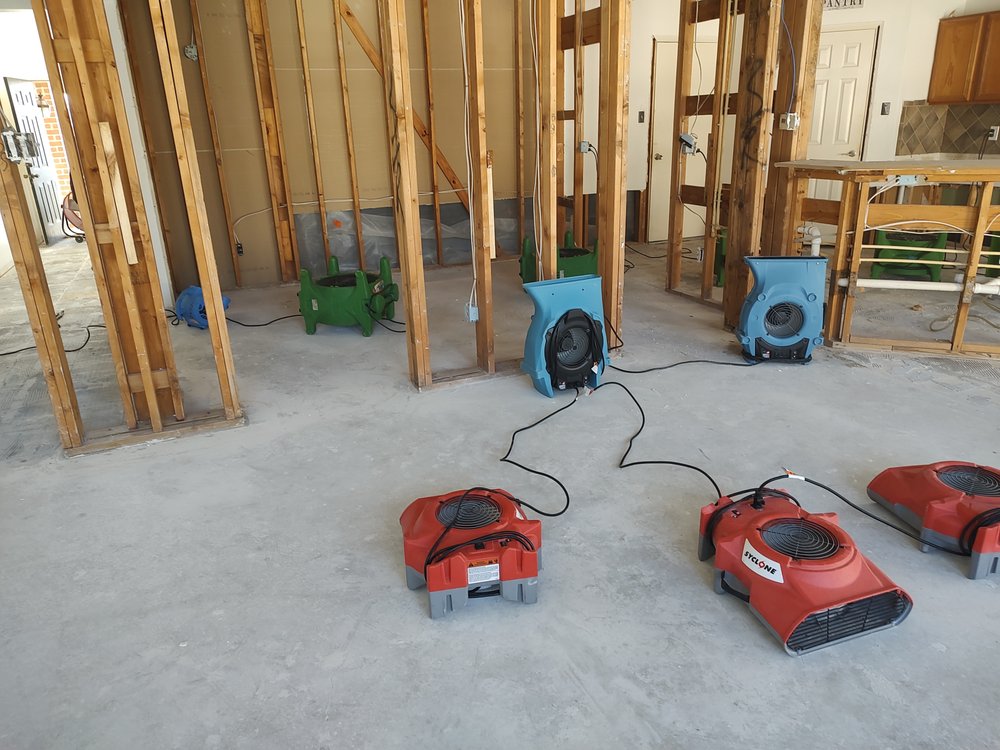
These three conditions decide where we look first on a Lisgar call, what can be saved and where the drying equipment goes.
01
High groundwater and stormwater ponds
Parts of Lisgar sit low against the surrounding drainage. Sustained wet weather lifts the table enough to load weeping tile past its capacity.
02
Sump pumps running constantly
A pump running year-round rather than seasonally wears out faster. Many failures here come down to a unit that has simply done too many cycles.
03
Spring melt on frozen ground
Flat, open subdivisions leave meltwater nowhere to go until the ground thaws. March is consistently our busiest month in this postal code.
Storms on record
Flood history and risk in Lisgar
Lisgar's risk is groundwater, not just storms. Pumps here run long after the rain stops, so a second pump or a battery backup matters more than in almost any other part of the city. A sump that has been running for years without service is the most common cause of the Lisgar calls we get.
2008 to today
Lisgar homeowners started reporting water in their basements in 2008, often with no storm at all. A consultant hired by the City in 2011 found the main cause in 2015: water collects in the gravel bedding of the utility trenches under the streets, and Lisgar's slow-draining soil lets it build up until it seeps into the weeping tile around nearby homes.
July 16, 2024
More than 106 mm fell across the city in a few hours. The ward that covers Lisgar alone reported 483 flooded homes. Sump pumps that normally handle the groundwater ran nonstop, and a pump that stalls in a storm like that floods a basement within the hour.
August 17, 2024
Lisgar was again on the City's list of the hardest-hit areas. Up to 170 mm fell on the worst parts of the city, on ground that was already full from July.
City projects
The City built a foundation drain collector pumping station at Cactus Gate Parkette, running since spring 2021, and planned a second at Doug Leavens Boulevard and the Lisgar channel. A further study is deciding how many more stations the district needs. In September 2025 residents asked council to speed that work up.
A call we get often in Lisgar
Sump pit overflow after days of rain
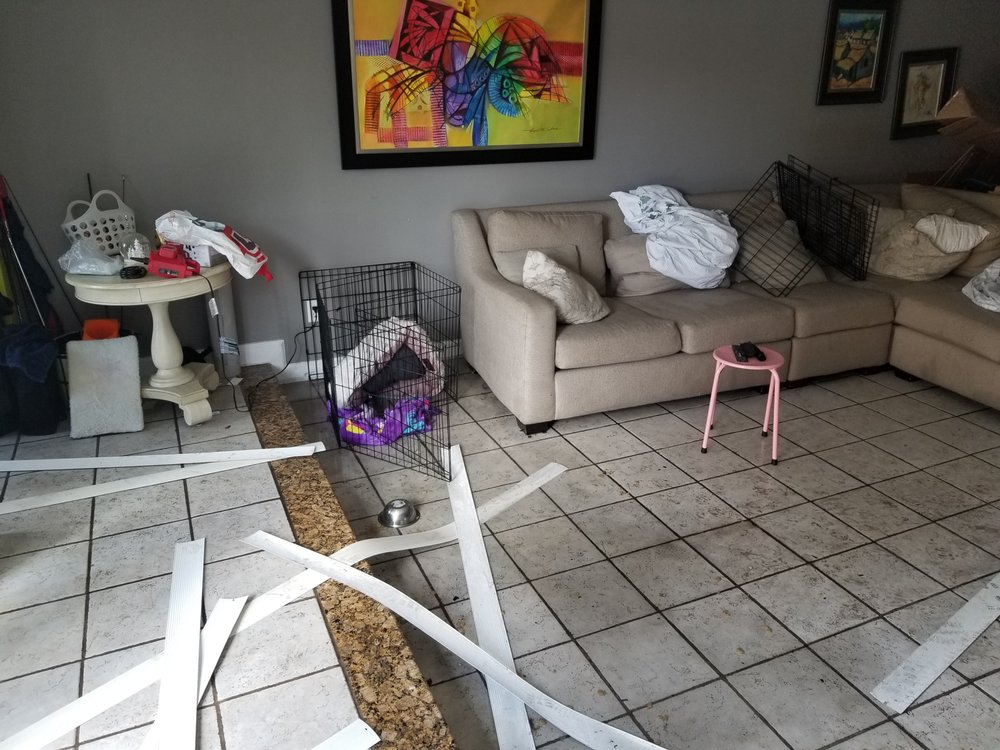
A call we get often here: it has rained on and off for several days, the pump has been running nonstop, and it finally burns out overnight. By morning there is clear water across the basement floor, under the carpet and into the bottom of the drywall. Because it is groundwater rather than sewage, much of the finished space can often be dried in place if we start quickly. We also check the pump, float and discharge so the same thing does not happen the next week.
Our sump pump runs all the time, even in dry weather. Is that normal in Lisgar?
In some parts of Lisgar, a pump running often is common because groundwater sits high. It still matters, because constant cycling shortens the pump's life. Have the pump, float and check valve inspected, and add a backup so one failure does not flood the basement.
Is groundwater from the sump treated the same as a sewer backup?
No. Clean groundwater is the lowest contamination category, so more of the finished space can usually be dried and kept. Sewage backup is handled very differently and most porous materials it touches have to be removed.
Does home insurance cover a sump pump failure?
Many policies need a specific endorsement for sump overflow or groundwater, and some have limits. Check your policy wording before you need it. If you do have a loss, we document the cause and the damage so your claim reflects what actually happened.
How quickly can a crew reach Lisgar?
Our average arrival in Lisgar is 55 min from the Dundas Street West base in Cooksville. A restoration manager answers live, 24 hours a day, and sends the nearest equipped truck while you are still on the line.
Drywall wicks moisture upward at roughly 1 inch (2.5 cm) an hour, and mould takes hold
inside 24 to 48 hours. Call now and a certified crew reaches your street tonight.