Answered live 24/7 · Free inspection · No obligation
Know the neighbourhood
Lakeview, street by street
Some of the oldest housing stock in Mississauga, largely 1940s and 1950s, running down toward the lakefront. Original laterals, high groundwater and small lots define it. This is where we most often find the failure sits in the line, not the storm.
Lakeview runs along Lake Ontario in southeast Mississauga, from the Etobicoke Creek at the Toronto border west toward Port Credit, and from the lake north to the QEW. Lakeshore Rd E is its main street.
Local landmarks we work around
Lakeshore Rd E main street
Lakefront Promenade Park
Lakeview Golf Course on Dixie Rd
The Small Arms Inspection Building
The Lakeview Village site on the former generating station lands
Housing profile
1940s–1950s, plus recent rebuilds
Storey-and-a-half wartime homes, bungalows and new infill houses
Many of the original homes were built for workers at the wartime munitions plant on Lakeshore. They are small, with shallow basements that were often finished later. More and more of them are being replaced by much larger houses, so a single street can have an 80-year-old cottage next to a brand new home with a deep basement.
Drainage and soil
The land drops gently toward the lake, and the Etobicoke Creek runs along the eastern edge. Close to the shore, groundwater sits only a few feet below the basement floor in wet seasons. A new home with a deeper basement can change how water moves under the lots on either side. Older homes next to a rebuild sometimes start seeing water where they never had it before.
Local conditions
What floods homes in Lakeview
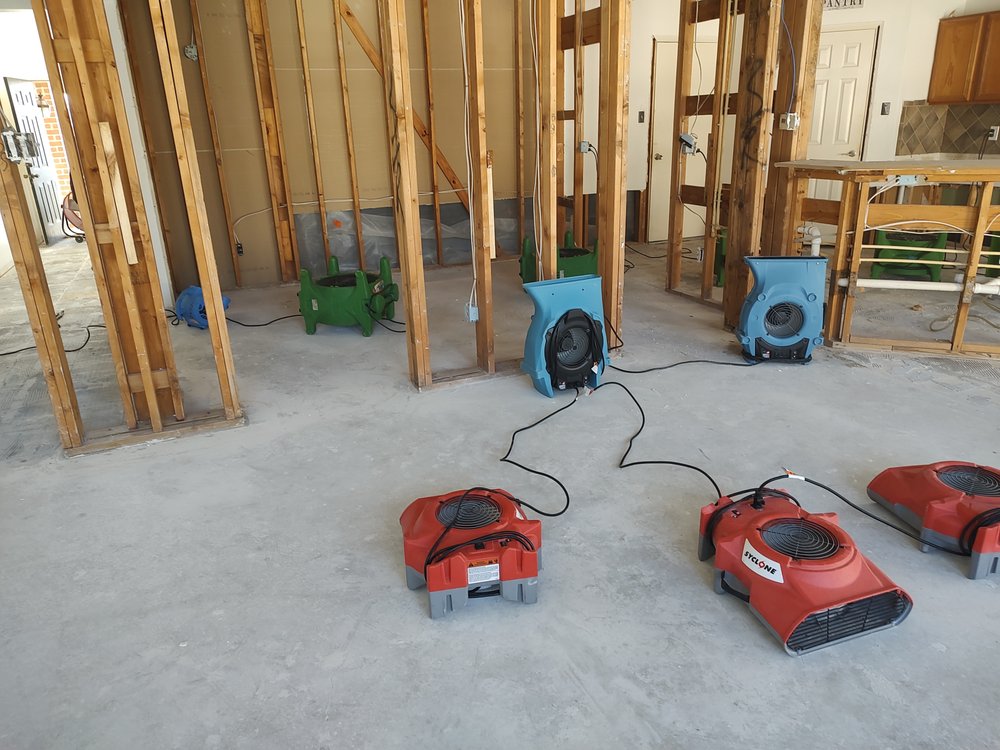
These three conditions decide where we look first on a Lakeview call, what can be saved and where the drying equipment goes.
01
Oldest drainage in the city
Clay laterals dating to the original build, frequently carrying root intrusion and settled sections. Backups here repeat rather than happen once.
02
Lakefront water table
Groundwater sits high across the south end. Any crack in a foundation wall becomes an active seepage point through a wet spring.
03
Small lots and tight grading
Limited space between houses leaves surface water nowhere to go except toward a foundation. Downspout discharge placement matters enormously here.
A call we get often in Lakeview
Seepage after the house next door was rebuilt
A call we get often here: an older bungalow that stayed dry for years, now taking water along one basement wall. The lot next door was just rebuilt with a deeper foundation and new grading. Surface water and groundwater have found a new path toward the older house. We dry it out, find the entry point and explain what the grading or drainage needs to change.
The house next door was just rebuilt, and now our basement leaks. Is that related?
It can be. A new house with a deeper foundation and different grading can send water toward your lot. We document where the water is entering and what the grading looks like. That gives you something concrete to take to the neighbour, the builder or the city.
Our basement is damp every spring but never floods. Should we worry?
Yes, it is worth checking. Ongoing dampness close to the lake usually means groundwater coming through the floor or the base of the wall. Over time it can cause mould behind finishes and damage stored items. We take moisture readings and tell you where it is coming from.
We are close to the Etobicoke Creek. What should we do in a big storm?
Move valuables up off the basement floor, make sure the sump pump is running and keep the floor drain clear. If water starts coming in, turn off power to the basement only if you can reach the panel safely and stay dry. Then call us, and photograph everything before cleanup starts.
How quickly can a crew reach Lakeview?
Our average arrival in Lakeview is 35 min from the Dundas Street West base in Cooksville. A restoration manager answers live, 24 hours a day, and sends the nearest equipped truck while you are still on the line.
Drywall wicks moisture upward at roughly 1 inch (2.5 cm) an hour, and mould takes hold
inside 24 to 48 hours. Call now and a certified crew reaches your street tonight.