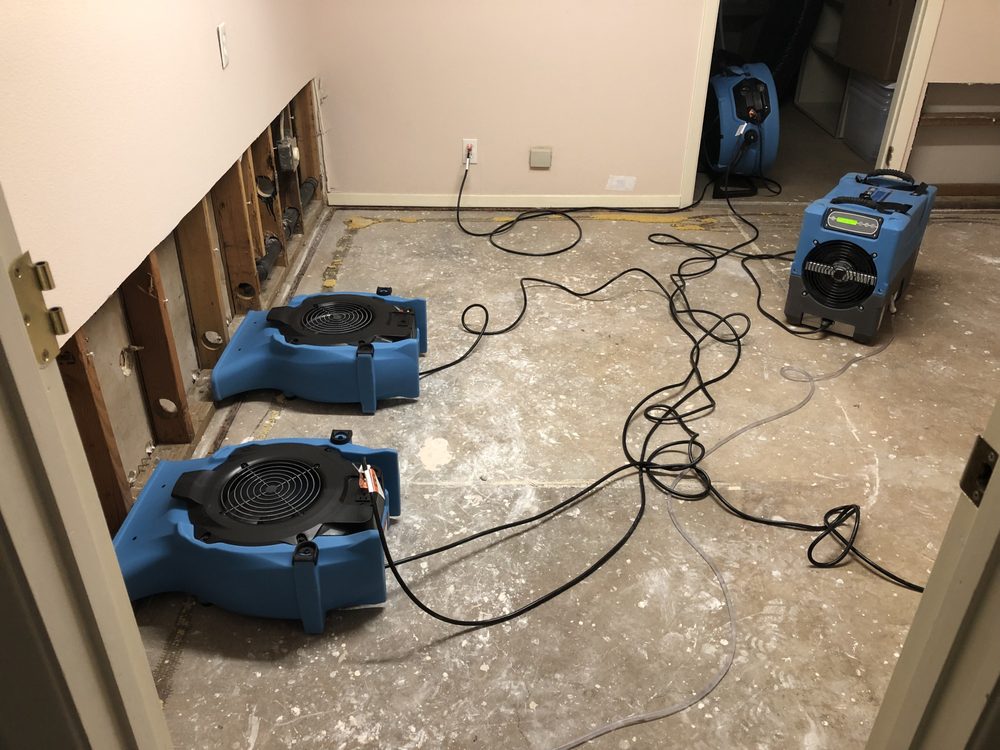
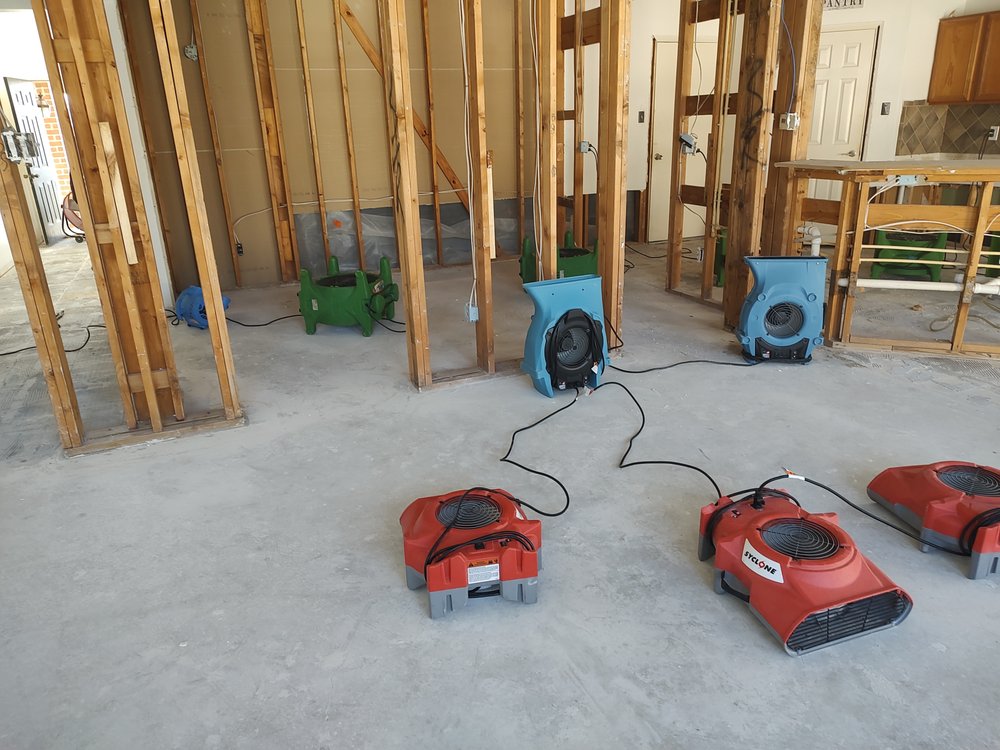
Mississauga's original crossroads at Hurontario and Dundas, where post-war bungalows and apartment towers sit along one of the city's most flood-prone creeks.
Answered live 24/7 · Free inspection · No obligation
Know the neighbourhood
Cooksville, street by street
Our own base sits on Dundas Street West here, so Cooksville gets the fastest response in the city. It is also one of the areas that needs the speed. The Cooksville Creek corridor carries a long flooding record, and most of the surrounding housing is 1950s to 1970s stock on original drainage.
Centred on Hurontario Street and Dundas Street, running roughly from the QEW north toward the City Centre, with Mississauga Valley to the north and Mineola to the south.
Local landmarks we work around
Hurontario Street and Dundas Street intersection
Cooksville GO station
Cooksville Creek and its trail corridor
Hurontario light rail line construction
Square One just to the north
Housing profile
1950s–1970s
Bungalows, back-splits, low-rise and high-rise apartments
Many bungalows here have rented basement units, so one flood can displace two households. Apartment buildings along Hurontario and Dundas are mostly from the 1960s and 1970s, with original plumbing in many of them. Older houses rarely have a backwater valve unless one was added later.
Drainage and soil
Cooksville Creek runs south through the area to Lake Ontario, and a lot of upstream development drains into it. The creek was hit hard in the July 8, 2013 storm, and many nearby streets took both creek and sewer water. Soils are mostly clay, which drains slowly and holds water against foundations. The older streets were built before modern storm sewer standards, so heavy rain reaches the sanitary system through floor drains and old connections.
Local conditions
What floods homes in Cooksville
These three conditions decide where we look first on a Cooksville call, what can be saved and where the drying equipment goes.
01
Cooksville Creek corridor
The creek has flooded repeatedly through this part of the city. Properties in and beside the flood plain take overland water, which needs a separate insurance endorsement from sewer backup.
02
1950s–70s bungalows on original laterals
Clay laterals, no backwater valve, and floor drains piped straight into the sanitary sewer. This combination is the classic Mississauga sewer surcharge profile.
03
High-rise density along Hurontario
The apartment and condo stock along the corridor produces vertical losses. One failed valve travels down through several floors before anyone reacts.
A call we get often in Cooksville
Basement apartment flooded through the floor drain
A call we get often here: a bungalow with a rented basement unit, and water rising through the floor drain during a heavy storm. The tenant calls first and the owner arrives later. Often it is sewer water, so the flooring and lower drywall have to come out. We clean and dry the unit, keep records for the owner's claim and note what belongs to the tenant so their own coverage can be used.
I live near Cooksville Creek. Is creek flooding covered by my insurance?
Water coming in from the creek or across the ground is usually overland flooding, which is a separate endorsement in most Ontario policies. Water rising through a floor drain is usually sewer backup coverage. Check your policy for both, because homes near the creek can have either one.
My basement is rented. Who handles the tenant's belongings?
The owner's policy usually covers the building, and the tenant's own policy covers their contents. We list and photograph the tenant's items separately so each claim has its own record. We can work with both adjusters at once.
Will the Hurontario light rail work affect drainage on my street?
Large construction projects can change how water moves on nearby streets for a while. If you notice new pooling or water near your foundation since work began, take photos and report it to the city. We can check your basement for moisture if you are worried.
How quickly can a crew reach Cooksville?
Our average arrival in Cooksville is 30 min from the Dundas Street West base in Cooksville. A restoration manager answers live, 24 hours a day, and sends the nearest equipped truck while you are still on the line.
Drywall wicks moisture upward at roughly 1 inch (2.5 cm) an hour, and mould takes hold
inside 24 to 48 hours. Call now and a certified crew reaches your street tonight.