Answered live 24/7 · Free inspection · No obligation
Know the neighbourhood
Rathwood, street by street
1970s and 1980s detached homes and townhouse complexes east of Cawthra, sitting on tributaries of the Etobicoke Creek system. Consistent housing age across the area gives us consistent and fairly predictable failures.
East of Cawthra Road toward Dixie Road, roughly between Burnhamthorpe Road and the Highway 403 and Eglinton area, with Rathburn Road and Tomken Road running through it.
Local landmarks we work around
Rathburn Road East
Tomken Road
Burnhamthorpe Road East
Dixie Road
Burnhamthorpe Community Centre
Housing profile
1970s–1980s
Detached two-storeys, backsplits and condo townhouse complexes
Many detached homes here still have their original copper supply lines, gate valves and in some cases their original cast iron or clay drain connections. Backsplits with a lower level partly below grade are common and take water through the lower family room. Townhouse complexes from the same era share drains and roofs, and many are now in their first round of major capital work.
Drainage and soil
The area sits within the Etobicoke Creek watershed, and small creek channels and ravine strips run behind some streets. Those lots back onto lower ground that collects runoff in a heavy rain. Older storm sewers were sized for the rainfall standards of their day, and after a storm like the one on July 8, 2013, the low spots across eastern Mississauga were where basements took water. Downspouts on many older homes still tie into the ground instead of discharging onto the lawn.
Local conditions
What floods homes in Rathwood
These three conditions decide where we look first on a Rathwood call, what can be saved and where the drying equipment goes.
01
Creek tributaries and low-lying streets
Smaller watercourses through the area surcharge quickly. The streets that took water in the last storm will take it in the next one.
02
Original water heaters and supply lines
Forty-year-old tanks and shut-off valves failing overnight is the single most common cause we attend across this pocket.
03
Townhouse complexes with shared drainage
Common element drainage means one blockage affects several units and raises the same ownership question a condo tower would.
Storms on record
Flood history and risk in Rathwood
Rathwood homes built before the 1990s, and homes that back onto ravine land, carry the most risk. If your basement took water in 2013 or 2024, check whether a backwater valve was ever installed and test it. Disconnecting downspouts from the ground is cheap and helps right away.
August 17, 2024
Up to 170 mm fell on the hardest-hit parts of Mississauga. Little Etobicoke Creek, which drains this part of east Mississauga, was on the City's list of creeks at capacity, and lots that back onto the small ravine strips here collected runoff from the streets above them.
July 16, 2024
More than 106 mm fell across the city in a few hours. The low spots behind Rathwood's ravine lots filled first, and older homes with downspouts still tied into the ground saw water come through the foundation wall.
July 8, 2013
More than 126 mm fell over about ten hours. The low pockets across eastern Mississauga, Rathwood among them, were where basements flooded. It is the storm many owners here still measure their basement against.
City projects
The City has scheduled dredging and rehabilitation of the stormwater pond at the Tomken Road transitway station, which takes runoff from the land around Highway 403. Pond work like this restores the storage that silt takes up over the years, so less water is pushed back into nearby sewers in a heavy storm.
A call we get often in Rathwood
Water heater gives out overnight
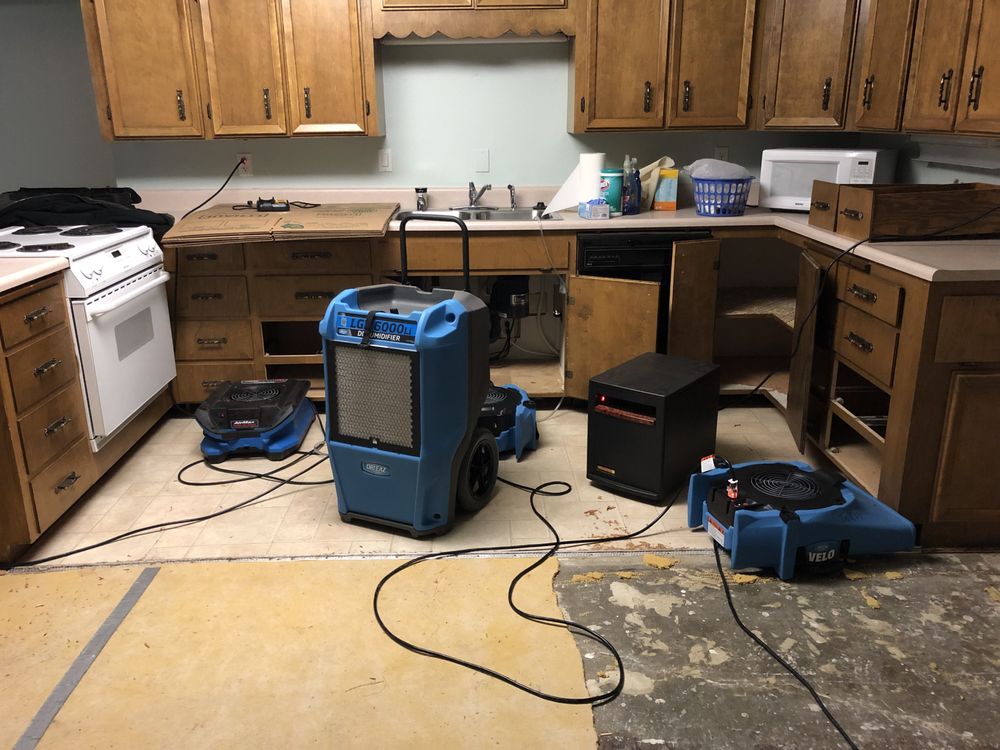
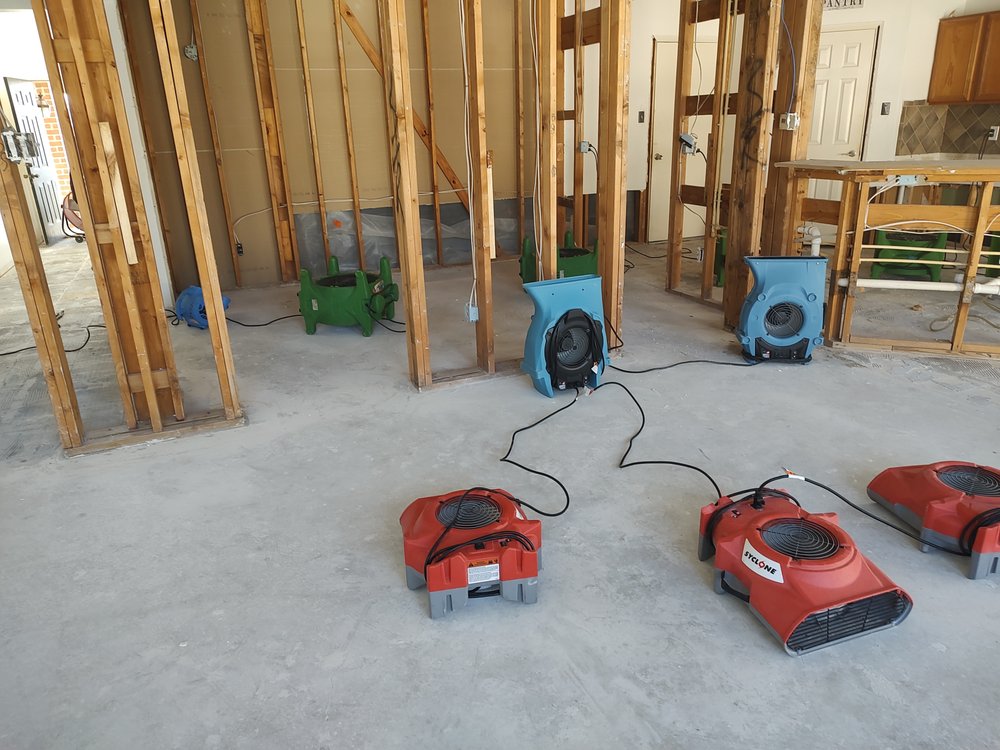
A call we get often here: an original or second-generation water heater has rusted through in the furnace room, and the owner finds the lower level wet in the morning. The water has run under the carpet in the rec room and wicked into the bottom of the panelling or drywall. We extract the water, lift and check the carpet pad and take readings up the walls. The old finishes often hide moisture, so we look behind them before anything is closed back up.
Our house is a backsplit. Why does the lower level always get it first?
The lower level of a backsplit sits partly below grade with windows close to the ground. Surface water reaches those windows and the walls behind them before anything else. Window well covers and good grading around that side of the house make the biggest difference.
We live in a townhouse complex. Is a backed-up drain my problem or the corporation's?
In many 1970s and 80s complexes the main drain lines are common elements, but the line inside your unit may be yours. It depends on your corporation's declaration. We document where the blockage was so the corporation and your insurer can decide who covers what.
Should we replace the wood panelling once it gets wet?
Usually yes. Older panelling is often glued or nailed straight onto furring strips with no vapour barrier, and the wall behind it stays wet long after the surface looks dry. We check with a moisture meter before removing anything.
How quickly can a crew reach Rathwood?
Our average arrival in Rathwood is 35 min from the Dundas Street West base in Cooksville. A restoration manager answers live, 24 hours a day, and sends the nearest equipped truck while you are still on the line.
Drywall wicks moisture upward at roughly 1 inch (2.5 cm) an hour, and mould takes hold
inside 24 to 48 hours. Call now and a certified crew reaches your street tonight.