Spring Melt: Why Mississauga Basements Flood Every March
Frozen ground, a fast thaw and a storm sewer running past capacity. Here is the yearly cycle behind the city's most predictable insurance claim.
By WDR Mississauga 5 min read
Every March, Mississauga produces the same insurance claim a few thousand times over. The sequence repeats so reliably that we schedule crews around it. A hard freeze through February, then 4 or 5 days above 8°C (46°F), then rain falling on snow. The ground cannot take the water while it is still frozen. The storm sewers were sized for a slower melt. So the water goes where water always goes. Down, into the lowest opening it can find.
Why frozen ground is the whole problem
Healthy soil absorbs a surprising volume of meltwater. Frozen soil absorbs almost none. A thaw that would pass without incident in October turns into pure surface runoff in March. That runoff reaches your foundation wall all at once. It has nowhere to travel except along the footing and into the weeping tile.
Weeping tile silted up over 20 years, which describes a great many Mississauga homes built before 1990, cannot move that volume. Hydrostatic pressure builds against the wall and finds the cove joint where the floor slab meets the footing. That seam is where most basement water in this city arrives.
The four failure points, in order of frequency
- Cove joint seepage. Water showing along the floor-to-wall line, usually on the side of the house the land slopes toward.
- Sump pump failure. The float sticks, the check valve fails, or the pump cannot keep pace. A pump rated for a normal spring is not rated for a rain-on-snow event.
- Window well overflow. A well packed with snow turns into a bucket. Meltwater passing the sill comes straight inside.
- Storm sewer backup. The least common of the four and the worst, since it carries Category 3 water into a finished space and needs sewage cleanup.
A sump pump that has never been tested is a sump pump that has never worked. February is the month to find out, not March.
Snowmelt vs rain: which one floods your basement
Most spring floods are not caused by snowmelt alone or rain alone. They happen when rain falls on snow over ground that is still frozen. Each one on its own behaves very differently.
Snowmelt is slow and steady. A snowbank melting against the foundation releases water over days. It soaks the backfill, reaches the weeping tile and shows up as seepage at the cove joint, often on the side of the house where the snow was piled highest. The sump runs for long stretches, but rarely faster than it can keep up.
Rain is fast. A heavy spring rain lands on frozen ground that cannot absorb it, so almost all of it becomes runoff. It fills window wells, overloads the sump pit within hours and surcharges storm sewers on the street. Snowmelt gives you days of warning. Rain on frozen ground gives you hours.
Where the water comes in tells you which one you have. Damp patches along the floor-to-wall line after a warm week point to snowmelt. Water pouring in at a window well, or a sump that cannot keep up during a downpour, points to rain on frozen ground. The fix differs too. Snowmelt calls for moving snow and downspouts away from the wall. Rain calls for well covers, pump capacity and a working backup.
What to do in November, not March
The preventive work is plain and cheap next to a claim. Extend downspouts at least 2 metres (6.5 feet) from the foundation and check the discharge is not running back along a frost-heaved walkway. Grade the first metre of soil away from the wall at roughly a 5% slope. Clear window wells and fit covers. Test the sump by filling the pit with a hose until the float trips. Then confirm the discharge line is neither frozen nor buried under a snowbank.
Three rebates help pay for this work. The City of Mississauga Basement Flooding Prevention Rebate pays up to $7,500 for a sump pump, downspout disconnection and similar work, and the City must pre-approve it before you start. The City's Flood Resilience Rebate pays up to $3,000 toward water-resistant materials after a flood. The Region of Peel Backwater Valve Rebate pays up to $1,500 for a sanitary backwater valve. A battery backup sump is the highest-value upgrade available to you, if your basement is finished and you have none. Power failures and heavy melt events arrive together far more often than chance would suggest.
Spring is only one of the two flood seasons here. Summer cloudbursts flood basements a different way, by overloading the sewers in an hour rather than soaking the ground for a week. That pattern, and the streets it hits hardest, is covered in why Mississauga basements flood in summer storms. For the full prevention list beyond the spring checks above, see how to prevent basement flooding.
If it has already happened
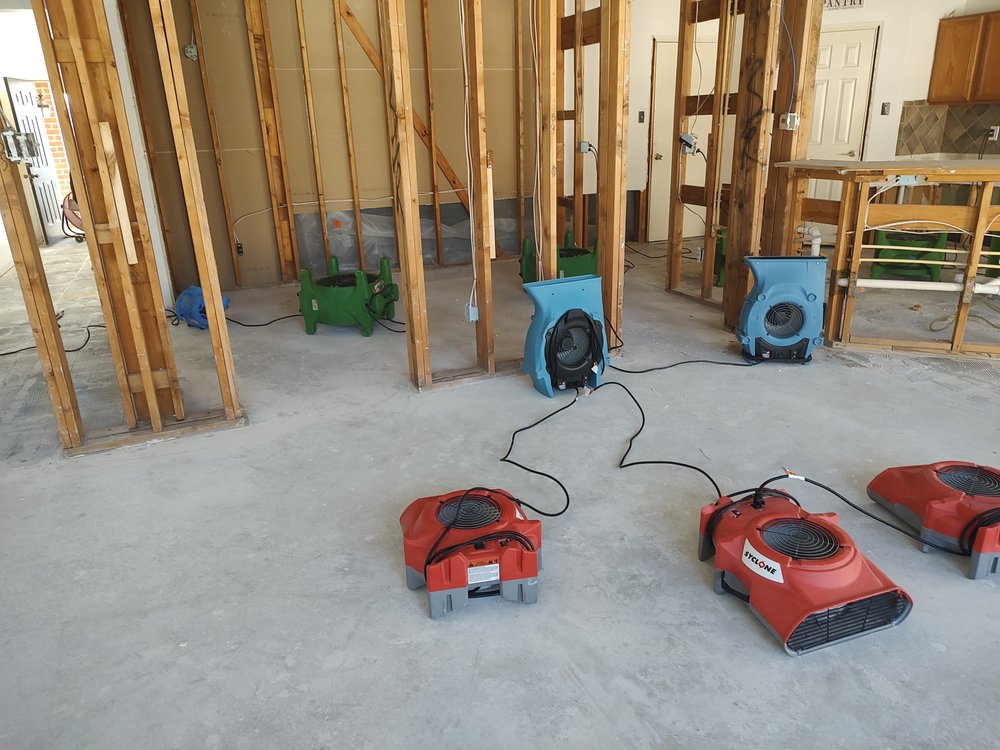
Do not wait for the water to drop on its own. The clock on mould growth starts at roughly 24 hours. Finished basements are full of paper-faced drywall and organic underlay, and both colonise fast enough to need mould remediation. Get standing water out with proper water extraction, get the affected materials assessed, and get a structural drying plan running with real readings behind it. In a spring melt loss, the material that looks fine is very often holding the most water. Only a meter tells you which is which.
When a spring melt does reach the basement, our water damage restoration in Mississauga runs from one crew. They pump the water out, sanitise the space through our basement flood cleanup service and dry it to a written standard.
Published August 10, 2026 by WDR Mississauga. Rebates, bylaws and insurance terms change, so confirm details with the program, your corporation or your insurer before you act.